Hey there! I’m a supplier of herbicides, and I’ve been getting a lot of questions lately about how these products affect the microbial community in the soil. It’s a super important topic, and I’m excited to dive into it with you. Herbicides
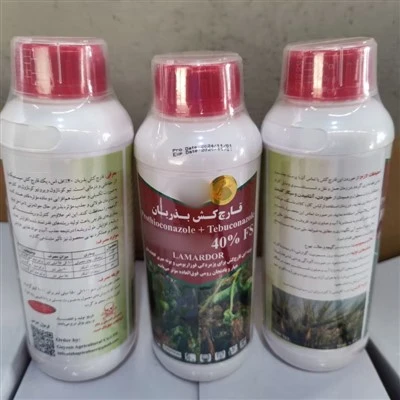
First off, let’s talk about what herbicides are and what they’re used for. Herbicides are chemicals that are designed to kill or control unwanted plants, like weeds. They’re used in a variety of settings, including agriculture, forestry, and landscaping. There are different types of herbicides, such as selective herbicides that target specific types of plants and non – selective ones that can kill most vegetation they come in contact with.
Now, onto the soil microbial community. The soil is like a bustling city full of tiny organisms. Bacteria, fungi, archaea, protozoa, and nematodes are all part of this complex community. These microbes play crucial roles in the soil ecosystem. They help break down organic matter, making nutrients available to plants. They also contribute to soil structure, water – holding capacity, and can even protect plants from diseases.
So, how do herbicides fit into this picture? Well, the effects of herbicides on soil microbes can be pretty complex. Some herbicides can have direct impacts on the microbes. For example, certain chemicals in herbicides might be toxic to specific types of bacteria or fungi. When these sensitive microbes are killed off, it can disrupt the balance of the microbial community.
Let me give you an example. Glyphosate is one of the most widely used herbicides in the world. It works by inhibiting an enzyme that is essential for plant growth. But studies have shown that glyphosate can also affect soil bacteria. Some research has found that it can reduce the population of beneficial bacteria that help with nitrogen fixation. Nitrogen is a key nutrient for plants, and these bacteria convert atmospheric nitrogen into a form that plants can use. So, when their numbers decline, it can potentially affect plant growth in the long run.
On the other hand, not all herbicides have negative impacts on soil microbes. Some herbicides might have only a short – term effect on the microbial community. For instance, some products are designed to break down quickly in the soil. Once they’re degraded, the microbial community can start to recover. In fact, some research suggests that in some cases, the initial disruption caused by herbicides can actually lead to an increase in microbial activity in the long term as the remaining microbes adapt and take advantage of the new environmental conditions.
The way herbicides are applied also matters a lot. If herbicides are over – applied, the risk of harming the soil microbial community is much higher. For example, spraying too much herbicide in one area can lead to high concentrations of the chemical in the soil, which can be more toxic to the microbes. On the contrary, if herbicides are applied at the right rate and at the right time, the impact on the soil microbes can be minimized.
Another factor to consider is the type of soil. Different soils have different microbial communities, and they can respond differently to herbicides. For example, sandy soils tend to have less organic matter and a less diverse microbial community compared to clayey soils. So, the same herbicide might have a more pronounced effect on the microbial community in sandy soils.
Now, you might be wondering why it’s so important to care about the soil microbial community when using herbicides. Well, a healthy microbial community is essential for sustainable agriculture and land management. When the soil microbes are happy and thriving, they can help improve soil fertility, reduce the need for chemical fertilizers, and enhance the overall health of plants. So, as a herbicide supplier, I’m really interested in finding ways to balance the need to control weeds with the need to protect the soil ecosystem.
At our company, we’re constantly working on developing herbicides that are more environmentally friendly. We’re researching new formulations that have a lower impact on the soil microbial community. For example, we’re looking into using natural ingredients or developing products that are more targeted in their action, so they only affect the weeds and not the beneficial microbes in the soil.
We also provide a lot of information to our customers about how to use our herbicides in a way that minimizes harm to the soil. We offer guidelines on application rates, timing, and proper storage. We believe that by educating our customers, we can help them make more informed decisions and use our products in a more sustainable manner.
If you’re a farmer, a landscaper, or someone who uses herbicides in your work, I encourage you to think about the impact of these products on the soil microbial community. It’s not just about getting rid of the weeds; it’s about maintaining a healthy and productive soil ecosystem for the long term.
If you’re interested in learning more about our herbicides and how they can fit into your sustainable land – management practices, I’d love to have a chat with you. We can discuss which products are best suited for your specific needs and how to use them in the most environmentally friendly way possible. Whether you’re dealing with a small garden or a large agricultural field, we’ve got solutions that can work for you. So, don’t hesitate to reach out and start a conversation about your herbicide needs. We’re here to help you find the right products and use them in a way that benefits both your plants and the soil.
Plant Growth Regulator References
- Duke, S. O., & Powles, S. B. (2008). Glyphosate: a once – in – a – century herbicide. Pest Management Science, 64(4), 319 – 325.
- Cycon, M., Piotrowska – Seget, Z., & Kucharski, R. (2013). Impact of herbicides on soil microorganisms and their activities. Biology and Fertility of Soils, 49(3), 263 – 275.
- Kremer, R. J., & Means, N. E. (2009). Induced effects of glyphosate on soil microbial community structure and function and interactions with soil pathogens. Weed Science, 57(2), 138 – 144.
Changzhou Dayilong Bio-Tech Co., Ltd.
With abundant experience, we are one of the most professional herbicides manufacturers and suppliers in China. Please rest assured to buy bulk high quality herbicides made in China here from our factory. Good service and reasonable price are available.
Address: Hundsun Science & Technology Park 3-1, BeiTangHe Road 8, Tianning District, Changzhou City, Jiangsu, China
E-mail: Sales@dayilongbio-tech.com
WebSite: https://www.dayilongagro-chemical.com/
