Yo, what’s up everyone! I’m a supplier of ride-on rollers, and today I wanna chat about something that’s super important for anyone looking to buy these machines: fuel consumption. Ride-on Roller
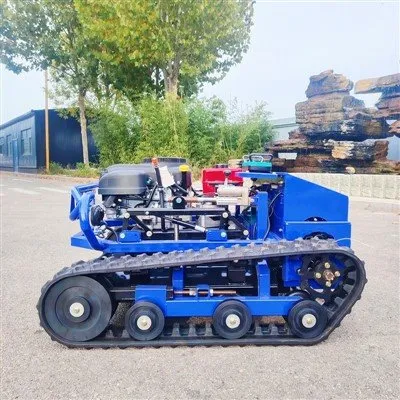
So, first off, what exactly is a ride-on roller? Well, it’s a piece of heavy – duty equipment used in construction and road – building projects. You hop on it like you would a small vehicle, and it rolls over surfaces to compact materials like asphalt, gravel, or soil. It’s a crucial tool on any job site where you need a smooth and stable surface.
Now, let’s dive into the fuel consumption part. The fuel consumption of a ride – on roller can vary a whole lot. It depends on a bunch of different factors, and I’m gonna break them down for you.
Engine Size
One of the main things that affects fuel consumption is the size of the engine. Just like with cars, a bigger engine usually means more fuel is burned. If you’ve got a ride – on roller with a large, high – powered engine, it’s gonna use more gas to keep running. These big engines are great for heavy – duty tasks where you need a lot of force to compact thick layers of material. For example, if you’re working on a major highway project and need to compact several inches of asphalt at once, a roller with a larger engine is the way to go. But keep in mind, it’s gonna chug through fuel faster.
On the other hand, a smaller engine will use less fuel. It’s more suitable for lighter jobs, like fixing a small driveway or working on a parking lot where you don’t need as much power. These smaller – engined rollers are also more fuel – efficient for intermittent use. If you’re a small contractor who only uses the roller occasionally, a smaller engine could save you a ton of money on fuel in the long run.
Operating Conditions
The environment in which the ride – on roller is being used plays a huge role in fuel consumption too. If you’re working on a flat, smooth surface, the roller doesn’t have to work as hard, and thus it’ll use less fuel. Think of it like driving on a nice, straight highway compared to going up and down steep hills.
In rough terrains, where the ground is uneven or has a lot of slopes, the roller has to exert more energy to move and compact the material. This means the engine has to work harder, and fuel consumption goes up. Similarly, if the weather is extremely hot or cold, the engine might not run as efficiently, leading to higher fuel use. Cold weather can make the engine work harder to reach its optimal operating temperature, while hot weather can cause the engine to overheat and require more energy to cool down.
Load and Compaction Requirements
How much material you’re trying to compact and the level of compaction you need also impact fuel consumption. If you need to achieve a high degree of compaction, the roller will have to make multiple passes over the same area. Each pass uses fuel, so more passes mean more fuel burned. Also, if you’re working with thicker layers of material, the roller will need more power to compact it properly, which in turn uses more fuel.
For example, if you’re using a ride – on roller to compact a layer of gravel that’s only a couple of inches thick, it’ll be a lot quicker and use less fuel compared to compacting a foot – thick layer of asphalt. The heavier the load you’re trying to compact, the more energy the engine has to expend, and fuel consumption rises accordingly.
Maintenance
Proper maintenance of the ride – on roller is key to keeping fuel consumption in check. A well – maintained engine runs more efficiently. This means regular oil changes, air filter replacements, and checking the spark plugs (if it’s a gasoline engine) or the fuel injection system (if it’s a diesel engine).
If the air filter is dirty, the engine won’t get enough air, which can lead to incomplete combustion. Incomplete combustion means the engine is wasting fuel and not running at its best. Similarly, if the oil is old and dirty, it can cause more friction in the engine, making it work harder and use more fuel. So, by keeping up with maintenance schedules, you can ensure that your roller is using fuel as efficiently as possible.
Now, I know you’re probably wondering what the typical fuel consumption figures are. Well, it’s tough to give an exact number because of all the factors I just mentioned. But on average, a small – to – medium – sized ride – on roller with a gasoline engine might consume around 1 – 3 gallons of fuel per hour of operation. A larger diesel – powered roller could use anywhere from 3 – 8 gallons per hour, depending on the workload and operating conditions.
But hey, don’t just take my word for it. When you’re in the market for a ride – on roller, ask the manufacturer for the specific fuel consumption data for the model you’re interested in. They usually have testing results and real – world estimates that can give you a better idea.
If you’re a contractor, fuel costs are a big part of your operating expenses. So, choosing a fuel – efficient ride – on roller can really make a difference to your bottom line. And that’s where we come in. As a supplier, we’ve got a wide range of ride – on rollers to choose from, and we can help you pick the one that’s not only right for your job but also the most fuel – efficient for your needs.
Whether you’re a small – scale builder working on local projects or a large construction company handling big – time infrastructure jobs, we’ve got the perfect roller for you. We understand that different jobs have different requirements, and we’re here to make sure you get the best value for your money.
If you’re interested in learning more about our ride – on rollers, the fuel consumption rates of different models, or you just want to have a chat about your project and see which roller would be the best fit, don’t hesitate to reach out. We’re always happy to have a conversation and help you make an informed decision.
Backhoe Loader References
- Construction Machinery Handbook. This handbook provides in – depth information on the operation and performance of various construction equipment, including ride – on rollers.
- Manufacturer’s Documentation. Most ride – on roller manufacturers provide detailed specifications and fuel consumption data in their product manuals.
Jining Sunsail Machinery Co., Ltd.
With abundant experience, we are one of the most professional ride-on roller manufacturers and suppliers in China. We warmly welcome you to buy high-grade ride-on roller made in China here from our factory. For price consultation, contact us.
Address: Room 410, Digital Industry Building, Rencheng District, Jining City, Shandong Province,China
E-mail: Sunsail_machinery@163.com
WebSite: https://www.sunsailmachine.com/
