If you’ve ever stood in a warehouse watching pallets of bulk goods get stacked and moved, or talked to a manufacturer about the challenges of storing and transporting fine, dusty materials, you’ve probably heard the term FIBC bags thrown around. As a Type A FIBC supplier, I spend a lot of time answering a single question: which industries actually rely on Type A bags, and why? Type A FIBCs aren’t the right choice for every bulk material, so it’s easy to mix them up with other types—Type B, Type C, Type D—each built for specific risks and needs. Over 12 years in this business, I’ve worked with hundreds of clients across sectors, and I can tell you firsthand that Type A bags have a distinct, critical role to play in industries where cost-effectiveness and basic protection are non-negotiable. Let’s break down exactly where you’ll find them. Type A Fibc Bags
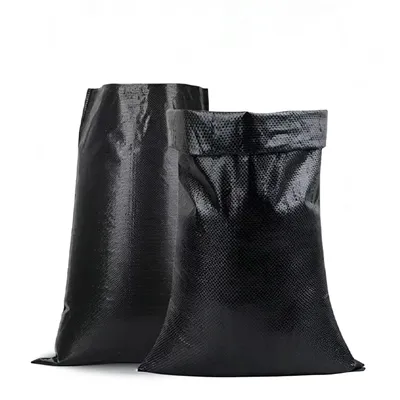
First, let’s clarify what makes a Type A FIBC unique, because that’s the foundation of their use. Unlike Type B bags, which are treated to dissipate static buildup to avoid explosions in flammable environments, or Type C bags, which are conductive and grounded for handling explosive dust, Type A bags are the most basic line of FIBCs: they’re made from uncoated, woven polypropylene fabric with no special static-dissipative treatment. That means they’re lightweight, low-cost, and designed for materials that aren’t explosive or highly reactive. They’re not intended for use in areas where large static sparks could ignite fine dust or gases, so their sweet spot is industries that handle non-flammable, non-toxic bulk goods that don’t require extra static protection. If you need a reliable, affordable way to move 1,000 to 2,000 pounds of material without the frills, Type A is usually the go-to.
The agricultural sector is the biggest user of Type A FIBCs, hands down. Think about all the grains, seeds, and fertilizer that get moved from farm to silo to processing plant every season. For most of these materials, static isn’t a major risk. Corn, wheat, soybeans, and rice are harvested in huge volumes, and they’re not so fine that they create explosive dust clouds (at least, not when handled in standard open-air farm and warehouse settings). Type A bags hold up perfectly for these: they’re breathable, which prevents moisture buildup that can cause grains to mold or spoil—a huge deal for farmers who can’t afford to lose a crop to dampness. We supply hundreds of agricultural clients at the start of every planting and harvest season, from small family farms in the Midwest to large grain co-ops that move tens of thousands of tons annually. They use Type A bags for everything from storing and shipping seed corn that will be planted the next season, to transporting raw grains to feed mills. Another big agricultural application is fertilizer: most standard nitrogen-based fertilizers like urea and diammonium phosphate (DAP) are non-flammable, so Type A bags are ideal for moving them from chemical plants to agricultural distributors. We’ve had clients tell us they switched from more expensive Type D bags to Type A for fertilizer after their OSHA audits showed they weren’t working in a static-heavy environment that didn’t pose an explosion risk. That’s the thing about Type A: they’re not just cheaper, they’re often the compliant, right fit for the job.
Next, the construction and civil engineering industry relies heavily on Type A FIBCs for bulk materials like sand, gravel, and cement additives. Let’s be real: construction sites are rugged, fast-paced, and don’t have time to mess with over-engineered packaging. Sand and gravel are heavy, abrasive, and require bags that can stand up to being dragged across concrete, stacked 10 high, and loaded onto trucks. Type A bags, made from thick woven polypropylene, resist tearing better than many specialty FIBCs, and their low cost makes sense for materials that are ultimately going to be used to build roads, foundations, and buildings. Cement, specifically Portland cement, is another key product here. Cement is a fine powder, but unless it’s being stored in a confined, enclosed silo where dust could build up to explosive levels (a rare scenario on most small to mid-sized construction sites), Type A bags work perfectly. We’ve supplied Type A bags to construction companies for pre-mix concrete, too—many brands package their dry concrete mix in Type A bags because they need the bags to hold up during transport, and they don’t want to pay for static protection that’s unnecessary for a product that’s mixed with water before use. One of our recent clients is a residential concrete supplier in Texas that moves 500 tons of concrete mix a month; they switched to Type A bags from paper sacks three years ago, and their labor costs for loading and unloading dropped by 20% because FIBC bags can be lifted with a forklift instead of being carried by hand. That’s the kind of practical win that makes Type A bags a staple in construction.
The food and beverage processing industry is another major user, and here again, Type A’s combination of affordability and functionality makes them a top pick. Wait, you might be thinking—food products need special packaging, right? That’s true, but Type A bags can be manufactured to meet food-grade standards, as long as the polypropylene is FDA-approved and free of harmful chemicals. The materials we supply Type A food-grade bags for include sugar, salt, raw coffee beans, and dried fruits and vegetables. Raw coffee beans, for example, are often transported from coffee-producing countries to roasting facilities in 2,000-pound Type A FIBCs. They’re durable enough to survive long ocean freight, and they’re breathable, which allows small amounts of carbon dioxide to escape from the beans without getting trapped and spoiling the batch. Dried fruit manufacturers also use Type A bags: products like raisins, apricots, and dates need to be stored in dry, breathable packaging to prevent mold, and Type A’s woven polypropylene is perfect for that. We’ve worked with snack food companies that use Type A bags for their bulk ingredients, like nuts and grains, before they’re processed into cereals or granola bars. The key here is that these materials don’t require any special static or explosion protection—their only requirements are durability, food safety, and cost, which Type A bags check all the boxes.
Then there’s the mining and mineral processing industry, which uses Type A bags for bulk minerals and ores that are non-flammable and non-explosive. Think about things like limestone, gypsum, salt (rock salt, for de-icing roads), and even some types of metal ores like iron ore or copper ore, when they’re in bulk solid form. Mining operations move millions of tons of these materials every year, and Type A bags are a cost-effective way to package them for transport from the mine to processing plants. Limestone, for example, is used in everything from cement production to agricultural soil amendments, and it’s a non-reactive, non-flammable material, so Type A bags are ideal for moving it. Gypsum, which is used in drywall manufacturing, is another big one. Drywall companies often transport raw gypsum in Type A FIBCs because the bags are strong enough to handle the heavy material, and they don’t need any special static treatment—gypsum dust isn’t explosive in standard bulk transport settings. We also work with companies that produce industrial minerals like talc and mica; these are fine powders, but unless they’re being stored in confined, enclosed spaces with poor ventilation, the risk of a dust explosion is very low, so Type A bags work just as well as more expensive specialty bags. One mining client in Arizona told us that using Type A bags for their bulk limestone cut their packaging costs by 35% compared to using coated FIBCs, and their product quality didn’t change at all. That’s a huge savings for an industry that operates on thin profit margins.
It’s also important to talk about industries where Type A bags are used for temporary storage, not just transport. Many of our clients in waste management and recycling use Type A bags to store bulk recyclable materials like plastic pellets, paper scrap, and textile waste. These materials are collected in bulk, and stored in warehouses before being shipped to reprocessing plants. Type A bags are perfect here because they’re easy to stack, they can be sealed (we offer optional liners for extra protection against moisture or pests), and they’re cheap enough to dispose of if the material is contaminated, rather than trying to clean and reuse a more expensive specialty bag. For example, a textile recycling company might collect old cotton and polyester clothes, sort them, and store them in Type A bags for months at a time before shipping them to be turned into insulation or new clothing. The bags hold up well against the slightly abrasive textile fibers, and the low cost means the company doesn’t have to worry about damage during long-term storage.
Now, I want to be clear about where Type A bags are not used, because that’s part of understanding their role. If you’re handling explosive materials like coal dust, grain dust in a confined silo, or flammable chemicals like propane or certain fertilizers, Type A bags are not the right choice. For those applications, you’d need Type B, C, or D bags, which are designed to dissipate static and prevent explosions. But for 80% of the bulk materials I work with, Type A is the best, most practical option. I’ve had clients come to me thinking they need a specialty bag because they’ve heard FIBCs have special static requirements, only to realize their product doesn’t need that extra protection—and saving money on packaging is a big win for their bottom line.
Over the years, I’ve also learned that Type A bags aren’t one-size-fits-all, even within the industries I mentioned. We customize them for clients: adding loops for forklift access, liners for moisture protection, reinforced seams for extra durability, and different sizes to fit different pallets. For a farmer moving corn, a 1,500-pound Type A bag works perfectly, while a mining company moving limestone might need a 2,000-pound bag with extra heavy-duty fabric. That flexibility is another reason Type A bags stay so popular. They’re not just a basic bag—they’re a customizable solution for industries that need to move large volumes of material efficiently.
At the end of the day, the question of which industries use Type A FIBCs comes down to two things: the properties of the material being handled, and the need for cost-effective, durable packaging. Type A bags fill a unique niche for industries that don’t face explosion risks, where affordability and functionality matter more than specialized static protection. For anyone in agriculture, construction, food processing, mining, or waste management, Type A bags are often the first choice because they deliver exactly what’s needed without overcomplicating things.
If you’re working in one of these industries and you’re looking for a reliable, affordable bulk packaging solution, or if you’re not sure what type of FIBC is right for your materials, I’d encourage you to reach out for a conversation. We’ve helped hundreds of clients find the right FIBC solution over the years, and we’re happy to walk through your specific needs to make sure you’re making the best choice for your operations.
Printed Food Bags References
- National Institute for Occupational Safety and Health (NIOSH). (2021). Bulk Bag (FIBC) Safety Guidelines for Non-Explosive Materials.
- The Society of Plastics Industry (SPI). (2020). Woven Polypropylene FIBC Specifications for Agricultural and Industrial Use.
- Construction Materials Manufacturers Association (CMMA). (2019). Bulk Packaging Best Practices for Construction Aggregates.
- Food and Agriculture Organization (FAO). (2022). Food-Grade Bulk Bag Standards for Agricultural Commodities.
Liaoning Xunlian Packaging Products Co., Ltd.
Liaoning Xunlian Packaging Products Co., Ltd. is one of the most professional type a fibc bags manufacturers and suppliers in China, featured by quality products and good service. Welcome to wholesale CE approved type a fibc bags made in China here and get quotation from our factory. Customized orders are welcome.
Address: Chaoyang Industrial Park, Kangping, Shenyang, Liaoning, China.
E-mail: info@xunlianpack.com
WebSite: https://www.xunlianpack.com/
