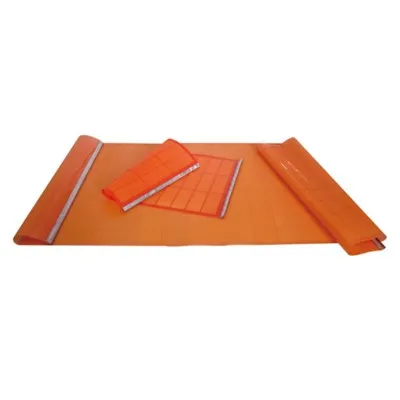
In the world of industrial screening, polyurethane screens have emerged as a popular choice due to their durability, flexibility, and high – performance characteristics. However, one of the challenges that polyurethane screens face is the degradation caused by ozone exposure. Ozone is a highly reactive gas that can break down the chemical bonds in polyurethane, leading to cracking, brittleness, and a reduced lifespan of the screens. To combat this issue, the use of ozone – resistant additives in polyurethane screens has become crucial. As a polyurethane screen supplier, I’d like to share some insights into the various ozone – resistant additives used in our products. Polyurethane Screen
Understanding Ozone Degradation in Polyurethane Screens
Before delving into the additives, it’s essential to understand how ozone affects polyurethane screens. Ozone molecules react with the double bonds present in the polymer chains of polyurethane. This reaction leads to the formation of ozonides, which are unstable and decompose into smaller fragments. Over time, this process weakens the structure of the polyurethane, causing visible cracks and a loss of mechanical properties such as tensile strength and elasticity.
In industrial environments where ozone is present, such as in areas with high – voltage electrical equipment or near chemical processing plants, the rate of ozone degradation can be significantly accelerated. This not only affects the performance of the screening equipment but also increases the frequency of screen replacements, resulting in higher costs for the end – users.
Commonly Used Ozone – Resistant Additives
Antiozonants
Antiozonants are perhaps the most widely used type of ozone – resistant additives in polyurethane screens. They work by preferentially reacting with ozone molecules before they can react with the polyurethane polymer chains. This protective mechanism helps to prevent the formation of ozonides and subsequent degradation of the material.
There are two main types of antiozonants: para – phenylenediamine (PPD) – based antiozonants and non – PPD – based antiozonants. PPD – based antiozonants are highly effective in providing long – term protection against ozone. They form a protective layer on the surface of the polyurethane, which acts as a barrier to ozone molecules. However, these antiozonants can suffer from some drawbacks. They may cause staining or discoloration of the polyurethane, and in some cases, they can be susceptible to extraction by solvents or migration within the polymer matrix.
Non – PPD – based antiozonants, on the other hand, offer a more environmentally friendly and non – staining alternative. These additives are often based on polymers or other organic compounds that have the ability to scavenge ozone molecules. While they may not be as effective as PPD – based antiozonants in some extreme conditions, they are still suitable for many industrial applications where ozone levels are relatively low.
Waxes
Waxes are another type of additive used to improve the ozone resistance of polyurethane screens. They function by forming a thin, protective film on the surface of the polyurethane. This film acts as a physical barrier, preventing ozone molecules from coming into direct contact with the polymer chains.
Microcrystalline waxes are particularly effective in this regard. They have a fine – grained structure that allows them to form a smooth and continuous film on the surface of the polyurethane. The wax film also has the ability to self – heal to some extent. When the surface of the polyurethane is exposed to mechanical stress, the wax can flow and fill in any small cracks or imperfections, maintaining the integrity of the protective layer.
One of the advantages of using waxes as ozone – resistant additives is their low cost and ease of incorporation into the polyurethane formulation. However, they may have limitations in terms of long – term performance, especially in high – ozone environments. Over time, the wax film can be worn away by abrasion or washed off by water, reducing its effectiveness.
UV Stabilizers
Although UV stabilizers are primarily used to protect polyurethane from the harmful effects of ultraviolet radiation, they can also contribute to ozone resistance. UV radiation can accelerate the ozone degradation process by generating free radicals in the polyurethane. These free radicals can react with ozone molecules, increasing the rate of degradation.
By incorporating UV stabilizers into the polyurethane formulation, the generation of free radicals can be reduced. This, in turn, helps to slow down the ozone degradation process. There are two main types of UV stabilizers: UV absorbers and hindered amine light stabilizers (HALS).
UV absorbers work by absorbing UV radiation and converting it into heat, which is then dissipated from the material. This prevents the UV radiation from causing damage to the polyurethane polymer chains. HALS, on the other hand, act as radical scavengers. They react with the free radicals generated by UV radiation, preventing them from participating in the ozone degradation reaction.
The Role of Additive Combinations
In many cases, a combination of different ozone – resistant additives is used to achieve the best results. For example, using an antiozonant in combination with a wax can provide both chemical and physical protection against ozone. The antiozonant can react with ozone molecules that penetrate the wax film, while the wax can act as a first line of defense by blocking the majority of ozone from reaching the polyurethane surface.
Similarly, combining a UV stabilizer with an antiozonant can be highly effective. The UV stabilizer can reduce the generation of free radicals, which can enhance the performance of the antiozonant. This synergistic effect between different additives can significantly improve the overall ozone resistance of the polyurethane screens.
Quality Control and Testing
As a polyurethane screen supplier, we take quality control and testing very seriously. Before our products are released to the market, they undergo rigorous testing to ensure that they meet the required ozone – resistance standards.
One of the common testing methods is the ozone chamber test. In this test, the polyurethane samples are exposed to a controlled atmosphere with a specific concentration of ozone for a set period of time. After the exposure, the samples are inspected for signs of cracking, discoloration, and changes in mechanical properties. We also conduct real – world testing in industrial environments to simulate the actual conditions that our screens will face.
Advantages of Our Ozone – Resistant Polyurethane Screens
Our ozone – resistant polyurethane screens offer several advantages to our customers. Firstly, they have a longer lifespan compared to traditional polyurethane screens. This means that our customers can reduce their equipment downtime and maintenance costs associated with frequent screen replacements.
Secondly, our screens maintain their mechanical properties, such as tensile strength and elasticity, even after prolonged ozone exposure. This ensures that they can continue to provide reliable screening performance, resulting in more efficient industrial processes.
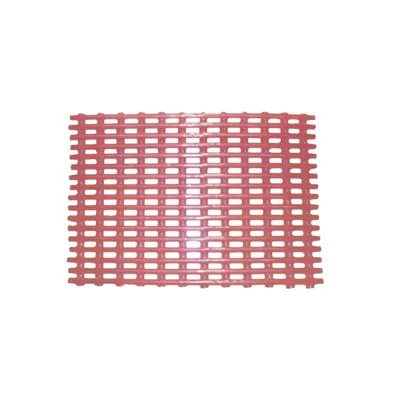
Finally, we offer customized solutions to meet the specific needs of our customers. Whether it’s a high – ozone environment in a chemical plant or a milder ozone – containing area in a manufacturing facility, we can formulate our polyurethane screens with the appropriate combination of ozone – resistant additives to provide the best protection.
Contact Us for Purchase and Negotiation
Polyurethane Screen Panel If you’re in the market for high – quality, ozone – resistant polyurethane screens, we’d love to hear from you. Our team of experts can provide you with detailed information about our products, including their technical specifications, performance characteristics, and pricing. We’re committed to working with you to find the best screening solutions for your industrial applications. Whether you have a small – scale operation or a large – scale industrial facility, we can tailor our products to meet your requirements. Contact us today to discuss your needs and start a negotiation for the purchase of our top – notch polyurethane screens.
References
- ASTM International. "Standard Test Method for Rubber Deterioration – Surface Cracking in an Ozone – Containing Atmosphere." ASTM D1149.
- Morton, M. "Rubber Technology." Van Nostrand Reinhold, 1973.
- Zweifel, H., et al. "Plastics Additives Handbook." Hanser Publishers, 2009.
Yangzhou Yaye Wire Mesh Manufacturing Co., Ltd.
As one of the most professional polyurethane screen manufacturers in China, we have world-leading production equipment and strong manufacturing capabilities. Please feel free to wholesale cheap polyurethane screen in stock here from our factory. Also, free sample is available.
Address: No. 1 Jiangjia Road, High-tech Industrial Park, Jiangdu District, Yangzhou City, Jiangsu Province
E-mail: 13952515577@163.com
WebSite: https://www.yayescreen.com/
