Hey there! I’m in the imaging business, and one question that comes up a lot is about the impact of radiation in imaging on the human body. As an imaging vendor, I deal with all sorts of imaging equipment daily, and understanding the radiation aspect is crucial. So, let’s dive right into it. Imaging
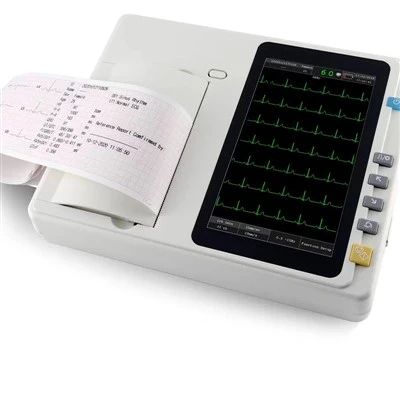
First off, let’s talk about what radiation in imaging actually is. In the world of medicine and other fields where imaging is used, radiation is a form of energy that can pass through the body. The most common types of imaging that use radiation are X – rays, CT scans, and nuclear medicine imaging.
X – rays are probably the most well – known. They’ve been around for ages. When you go to the doctor with a suspected broken bone, the first thing they usually do is an X – ray. The way it works is that an X – ray machine sends out a small amount of radiation through your body. Dense things like bones absorb the radiation and show up as white on the X – ray image, while softer tissues like muscles and organs let more of the radiation pass through and show up as darker areas.
CT scans, or computed tomography scans, are like a more advanced version of X – rays. They take a series of X – ray images from different angles and then use a computer to combine them into detailed cross – sectional images of your body. This gives doctors a much more detailed view of what’s going on inside, which is great for diagnosing issues like tumors, internal injuries, and more. But CT scans use more radiation than a single X – ray.
Nuclear medicine imaging is a bit different. It involves injecting a small amount of a radioactive substance, called a radiopharmaceutical, into the patient’s body. Then, a special camera detects the radiation given off by the radiopharmaceutical as it moves through the body. This is used to look at how organs and tissues are functioning, like checking the heart’s blood flow or the function of the thyroid gland.
So, what’s the impact of all this radiation on the human body? Well, in small doses, the impact is usually pretty minimal. The benefits of getting an accurate diagnosis through imaging often far outweigh the potential risks. For example, that X – ray of a broken bone can help the doctor set it properly, which means a faster and better recovery for you.
But radiation is a type of energy that can damage cells in the body. When radiation passes through a cell, it can break the chemical bonds in the cell’s DNA. If the damage is minor, the cell can usually repair itself. However, if the damage is severe, the cell might die or start to grow and divide abnormally, which can lead to cancer over time.
The risk of cancer from medical imaging radiation is related to the amount of radiation you’re exposed to and your age at the time of exposure. Kids are more sensitive to radiation because their cells are still growing and dividing rapidly. So, doctors are extra careful when it comes to ordering imaging tests for children.
Let’s take a look at the numbers. A single chest X – ray exposes a person to about 0.1 millisieverts (mSv) of radiation. To put that in perspective, the average person is exposed to about 3 mSv of natural background radiation every year from things like cosmic rays from space and radioactive substances in the ground. A CT scan of the chest, on the other hand, can expose a person to about 7 mSv of radiation. That’s a lot more than a single X – ray, but it also provides a much more detailed image.
As an imaging vendor, we’re always working on ways to reduce the amount of radiation used in imaging. Newer imaging equipment is designed to be more efficient, using less radiation to get the same or better quality images. For example, some CT scanners now use advanced algorithms to adjust the radiation dose based on the patient’s size and the area of the body being scanned. This means that patients are getting the benefits of high – quality imaging with less radiation exposure.
Another thing we’re doing is improving the training of the people who operate the imaging equipment. Technicians need to know how to use the machines properly to minimize radiation exposure. They need to be able to position the patient correctly and set the right parameters for the imaging procedure.
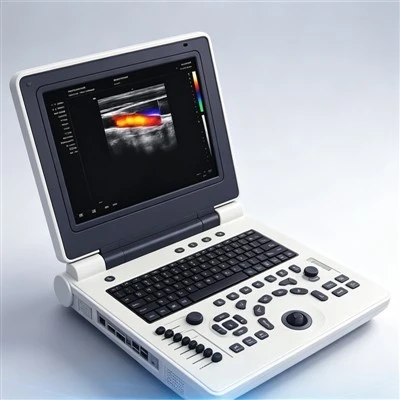
We’re also involved in research to develop new imaging techniques that don’t use radiation at all, or use it in a much more targeted way. For instance, ultrasound and MRI (magnetic resonance imaging) are two types of imaging that don’t use ionizing radiation. Ultrasound uses sound waves to create images of the body, and it’s commonly used during pregnancy to check on the baby. MRI uses a strong magnetic field and radio waves to produce detailed images of the body’s internal structures.
But even with these non – radiation options, there are still times when radiation – based imaging is the best choice. For example, MRI can’t always detect certain types of bone fractures as well as an X – ray or CT scan. So, it’s all about finding the right balance between getting the information doctors need and minimizing the patient’s radiation exposure.
Now, I know all this talk about radiation might seem scary, but it’s important to remember that the medical community takes the issue very seriously. There are strict regulations in place to ensure that the radiation used in imaging is kept as low as reasonably achievable (ALARA principle). This means that doctors only order imaging tests when they really need them, and they choose the test that will use the least amount of radiation while still providing the necessary information.
As an imaging vendor, we play a crucial role in this process. We’re constantly innovating and improving our products to make them safer and more efficient. We work closely with hospitals, clinics, and other healthcare providers to make sure they have access to the latest and greatest imaging technology.
If you’re a healthcare provider looking for high – quality imaging equipment that minimizes radiation exposure while delivering excellent image quality, we’d love to talk to you. We have a wide range of products, from state – of – the – art X – ray machines to advanced CT scanners. Our team of experts can help you choose the right equipment for your needs and provide you with training and support to ensure that you’re using it safely and effectively.
So, if you’re interested in learning more about our imaging solutions, don’t hesitate to reach out. Let’s start a conversation about how we can work together to provide the best possible care for your patients while keeping radiation exposure in check.
Hospital Patient Care References
- "Radiation Risks in Medical Imaging." American College of Radiology.
- "Medical Radiation Exposure and Cancer Risk." International Atomic Energy Agency.
- "Radiation Dose in CT: What the Clinician Should Know." Radiology.
Eurosun Technology (Shanghai) Co., Ltd.
As one of the most professional imaging equipment manufacturers and suppliers in China, we have world-leading production equipment and strong manufacturing capabilities. We warmly welcome you to wholesale high quality imaging equipment in stock here from our factory.
Address: No.485, Xingmei Road, Minhang District, Shanghai
E-mail: eurosun6661216@163.com
WebSite: https://www.eurosunmedical.com/
