As a supplier of specialty shaped glass, I often encounter inquiries about various properties of our products, one of the most significant being frost resistance. Frost resistance is a crucial factor, especially for specialty shaped glass used in environments where it is exposed to cold temperatures and freezing conditions. In this blog, I will delve into what frost resistance means for specialty shaped glass, the factors affecting it, and why it matters in different applications. Specialty Shaped Glass

Understanding Frost Resistance in Specialty Shaped Glass
Frost resistance refers to the ability of glass to withstand the effects of freezing temperatures without suffering damage. When water accumulates on the surface of glass and then freezes, it expands. This expansion can create stress within the glass structure. If the glass does not have adequate frost resistance, this stress can lead to cracks or even breakage.
For specialty shaped glass, the issue of frost resistance becomes even more complex. The unique shapes, such as curves, angles, and irregular contours, can cause uneven distribution of stress during freezing. For example, in a glass with sharp corners or thin sections, the stress concentration during freezing is higher compared to a flat, uniform piece of glass. This makes it essential to ensure that specialty shaped glass has the appropriate level of frost resistance to maintain its integrity in cold environments.
Factors Affecting Frost Resistance
Glass Composition
The composition of the glass plays a fundamental role in its frost resistance. Different types of glass have different thermal properties, which affect how they respond to freezing temperatures. For instance, borosilicate glass is known for its excellent thermal shock resistance. It has a low coefficient of thermal expansion, meaning it expands and contracts less when exposed to temperature changes compared to other types of glass. This property makes borosilicate glass more resistant to the stress caused by freezing water on its surface.
On the other hand, soda – lime glass, which is commonly used in many applications due to its low cost and ease of manufacturing, has a relatively higher coefficient of thermal expansion. While it can be treated to improve its frost resistance, it is inherently more vulnerable to damage from freezing compared to borosilicate glass.
Thickness and Shape
As mentioned earlier, the shape and thickness of specialty shaped glass significantly impact its frost resistance. Thicker glass generally has better frost resistance because it can better withstand the stress caused by the expansion of freezing water. However, in the case of specialty shaped glass, simply increasing the thickness may not be a viable solution, as it can affect the overall design and functionality of the glass.
The shape of the glass also matters. Complex shapes with sharp edges or sudden changes in thickness can create stress points where cracks are more likely to form during freezing. Designers and manufacturers need to carefully consider these factors when creating specialty shaped glass to ensure optimal frost resistance.
Surface Treatment
Surface treatments can enhance the frost resistance of specialty shaped glass. One common treatment is the application of a hydrophobic coating. A hydrophobic coating repels water, reducing the amount of water that can accumulate on the glass surface. With less water on the surface, there is less potential for freezing and the associated stress on the glass.
Another surface treatment option is tempering. Tempering involves heating the glass to a high temperature and then rapidly cooling it. This process creates a compressive stress on the surface of the glass, making it more resistant to breakage from external forces, including the stress caused by freezing.
Importance of Frost Resistance in Different Applications
Architectural Applications
In architecture, specialty shaped glass is often used for decorative and functional purposes. Frost – resistant glass is essential for windows, facades, and skylights in cold climates. For example, in a modern building with a unique curved glass facade, the glass needs to be able to withstand freezing temperatures without cracking. A crack in the facade not only compromises the aesthetic appeal of the building but also its energy efficiency and structural integrity.
Automotive Applications
In the automotive industry, specialty shaped glass is used for windshields, side windows, and rear windows. Frost resistance is crucial, especially in regions with cold winters. A windshield with poor frost resistance may crack due to freezing temperatures, posing a safety hazard to the vehicle occupants. Additionally, frost on the glass can impair visibility, making driving dangerous.
Interior Design Applications
For interior design elements such as glass partitions, display cases, and decorative panels, frost resistance is also important. In cold storage areas or rooms with fluctuating temperatures, the glass needs to remain intact to maintain its functionality and appearance. A cracked glass partition can disrupt the flow of a space and create safety concerns.
Testing and Ensuring Frost Resistance
As a specialty shaped glass supplier, we take several steps to ensure the frost resistance of our products. Firstly, we carefully select the glass composition based on the specific requirements of the application. If the glass is intended for use in a very cold environment, we may choose borosilicate glass or a specially formulated glass with a low coefficient of thermal expansion.
Secondly, we conduct rigorous testing on our specialty shaped glass. One common test method is the thermal shock test. In this test, the glass is alternately exposed to high and low temperatures to simulate the conditions it may encounter in real – world applications. We also perform tests to evaluate the impact of freezing water on the glass surface.
Finally, we work closely with our customers to understand their needs and provide them with the most suitable glass solutions. We offer advice on design considerations, surface treatments, and installation techniques to maximize the frost resistance of the glass.
Contact Us for Your Specialty Shaped Glass Needs
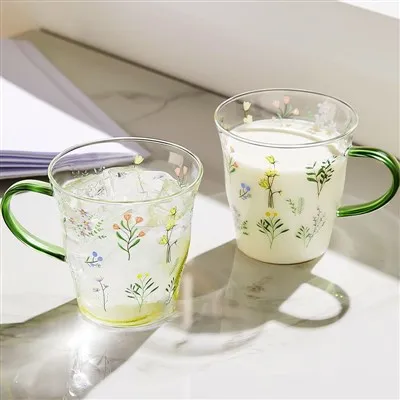
If you are in the market for specialty shaped glass with excellent frost resistance, we are here to help. Our team of experts has extensive experience in manufacturing and supplying high – quality glass products for a wide range of applications. Whether you need glass for architectural, automotive, or interior design purposes, we can provide you with customized solutions that meet your specific requirements.
Champagne Flute Contact us today to start a conversation about your project. We look forward to working with you to find the perfect specialty shaped glass solution for your needs.
References
- "Glass Science and Technology" by D. R. Uhlmann and N. J. Kreidl.
- "Handbook of Glass Properties" edited by W. A. Weyl and E. R. Stookey.
- Research papers on glass thermal properties and frost resistance from scientific journals such as "Journal of Non – Crystalline Solids".
Nexus Household Co., Ltd.
As one of the most experienced specialty shaped glass manufacturers and suppliers in China, we also support custom service. Please feel free to wholesale high quality specialty shaped glass for sale here from our factory. For free sample, contact us now.
Address: Room0101, 1st Floor, Unit 3, Building 3005, No. 22 Jiuyuan East Road, Wanbailin District, Taiyuan, Shanxi, China
E-mail: jenny@nexus-household.com
WebSite: https://www.nexus-household.com/
