Installing a DIN rail energy meter in an educational institution is a significant step towards efficient energy management and environmental sustainability. As a supplier of DIN rail energy meters, I have witnessed firsthand the transformative impact these devices can have on educational facilities. In this blog, I will share my insights and experiences on how to install a DIN rail energy meter in an educational institution, from the initial planning stages to the final commissioning. DIN Rail Energy Meter

Understanding the Need for Energy Monitoring in Educational Institutions
Educational institutions consume a substantial amount of energy to power classrooms, laboratories, libraries, and administrative offices. With the increasing focus on energy efficiency and cost savings, it is essential for schools and universities to monitor and manage their energy consumption effectively. A DIN rail energy meter provides real-time data on energy usage, allowing educational institutions to identify areas of high consumption, implement energy-saving measures, and reduce their carbon footprint.
Selecting the Right DIN Rail Energy Meter
Before installing a DIN rail energy meter, it is crucial to select the right device for your educational institution’s specific needs. Consider the following factors when choosing an energy meter:
- Accuracy: Look for an energy meter with high accuracy to ensure reliable energy data.
- Functionality: Choose a meter that offers the features you need, such as real-time monitoring, data logging, and remote access.
- Compatibility: Ensure that the energy meter is compatible with your existing electrical system and communication protocols.
- Scalability: Consider the future growth of your educational institution and choose a meter that can be easily expanded or integrated with other energy management systems.
Planning the Installation
Once you have selected the right DIN rail energy meter, it is time to plan the installation process. Here are the key steps to follow:
- Conduct a Site Survey: Before installing the energy meter, conduct a thorough site survey to assess the electrical system, identify the installation location, and determine the necessary wiring and communication requirements.
- Obtain Necessary Permits: Check with your local authorities to obtain any necessary permits or approvals for the installation of the energy meter.
- Prepare the Installation Site: Ensure that the installation site is clean, dry, and well-ventilated. Mount the DIN rail securely and ensure that it is level and properly grounded.
- Gather the Required Tools and Materials: Collect all the necessary tools and materials for the installation, including the energy meter, wiring, conduit, and mounting hardware.
Installing the DIN Rail Energy Meter
The installation process for a DIN rail energy meter typically involves the following steps:
- Mount the Energy Meter: Mount the energy meter on the DIN rail using the provided mounting brackets or clips. Ensure that the meter is securely fastened and properly aligned.
- Connect the Wiring: Connect the electrical wiring to the energy meter according to the manufacturer’s instructions. Use appropriate wire gauges and ensure that all connections are tight and secure.
- Configure the Energy Meter: Configure the energy meter settings, such as the measurement units, communication protocols, and data logging intervals. Follow the manufacturer’s instructions carefully to ensure accurate and reliable operation.
- Test the Energy Meter: Once the installation is complete, test the energy meter to ensure that it is functioning properly. Check the display for accurate energy readings and verify that the communication link is established.
Commissioning and Monitoring
After the installation is complete, it is important to commission the energy meter and start monitoring the energy consumption data. Here are the key steps to follow:
- Calibrate the Energy Meter: Calibrate the energy meter to ensure accurate energy measurements. Follow the manufacturer’s instructions for calibration and use a calibrated reference meter if necessary.
- Set Up the Monitoring System: Set up a monitoring system to collect and analyze the energy consumption data. This can be done using a software application or a web-based platform.
- Establish Energy Baselines: Establish energy baselines for your educational institution to track energy consumption over time. This will help you identify trends, set energy-saving targets, and measure the effectiveness of your energy management strategies.
- Implement Energy-Saving Measures: Based on the energy consumption data, implement energy-saving measures such as lighting upgrades, HVAC system optimization, and equipment efficiency improvements. Monitor the energy savings and adjust your strategies as needed.
Benefits of Installing a DIN Rail Energy Meter in an Educational Institution
Installing a DIN rail energy meter in an educational institution offers several benefits, including:
- Energy Savings: By monitoring and managing energy consumption, educational institutions can identify areas of high consumption and implement energy-saving measures to reduce their energy bills.
- Environmental Sustainability: Energy monitoring and management help educational institutions reduce their carbon footprint and contribute to a more sustainable future.
- Cost Savings: Energy savings can result in significant cost savings for educational institutions, which can be reinvested in other areas such as education and research.
- Educational Opportunities: Energy monitoring provides an opportunity for students to learn about energy efficiency and sustainability, and to participate in energy management projects.
Conclusion
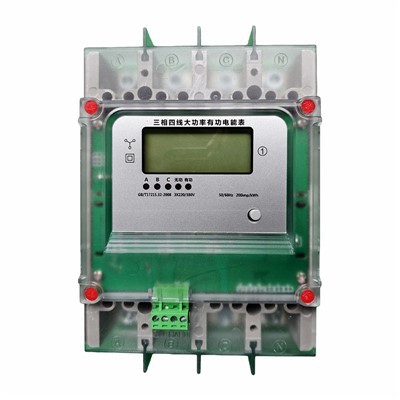
Installing a DIN rail energy meter in an educational institution is a smart investment that can help schools and universities reduce their energy consumption, save money, and contribute to a more sustainable future. By following the steps outlined in this blog, you can ensure a successful installation and start reaping the benefits of energy monitoring and management.
Smart Energy Meter If you are interested in learning more about DIN rail energy meters or would like to discuss your specific energy management needs, please contact us. Our team of experts is available to provide you with the information and support you need to make an informed decision.
References
- International Electrotechnical Commission (IEC). (2019). IEC 62053-21: Electricity metering equipment (a.c.) – Part 21: Particular requirements for meters of class 0.2S and class 0.5S.
- Institute of Electrical and Electronics Engineers (IEEE). (2018). IEEE 1459-2010: Standard Definitions for the Measurement of Electric Power Quantities Under Sinusoidal, Nonsinusoidal, Balanced, or Unbalanced Conditions.
- U.S. Department of Energy. (2021). Energy Efficiency and Renewable Energy. Retrieved from https://www.energy.gov/eere
Zhejiang Qunte New Energy Technology Co., Ltd.
As one of the most professional din rail energy meter manufacturers in China, we’re featured by quality products and good price. Please rest assured to buy discount din rail energy meter made in China here from our factory. We also accept customized orders.
Address: No. 56, Fengxi Road, Tang’ao Yu Village, Liushi Town, Yueqing City, Wenzhou City, Zhejiang Province
E-mail: 251951196@qq.com
WebSite: https://www.zjqtmeter.com/
