Hey there, let’s cut to the chase: if you’ve ever stared at a bulky industrial machine sitting inside a warehouse, sheltered from rain, wind, and that random midday hailstorm that hits out of nowhere, you’ve probably asked yourself—wait, can other machines (you know, the ones that aren’t your big, fancy construction excavators or garden tractors) actually work outdoors without turning into a rusty paperweight after a week? As the owner of a small, hard-nosed “other machines” supplier, I’ve fielded this question more times than I can count. Farmers haggling over whether their hay baler’s little helper unit can stand up to the dust of the Plains. Event planners panicking because their power generator accessory got left in the rain during a music festival. Even small-town landscapers begging for a way to use their specialized turf tool without dragging it in and out of a trailer every single day. Today, I’m not gonna hit you with a textbook answer about IP ratings or weather-sealed casings (though we’ll get into that). I’m gonna give you the real, messy, practical stuff—from what works, what doesn’t, and how to make it actually happen, because that’s what my customers care about, not jargon. Other Machines

First off, let’s define what “other machines” even are here, ‘cause that term gets thrown around a lot. When I say other machines, I mean the gear that doesn’t fit into the obvious categories: not construction, not agriculture tractors, not medical equipment, not office printers. Think of the specialized gear for small to medium jobs—like the compact material lift that’s not big enough to be a crane, the portable pressure washer unit for concrete cleaning, the modular sorting conveyor for small warehouses that’s built to be moved, the generator adapters for off-grid setups, even the specialized tool bits that go with landscaping gear. These are the workhorses that don’t get the same attention as the big-name brands, which is why so many people assume they’re only good for inside a four walls. Let’s bust that myth right now: most of these machines can be used outdoors—if you pick the right model, and if you do a tiny bit of prep work to keep ‘em running. I’ve had customers run our compact material lifts through 18 months of outdoor construction site use, hauling roofing shingles up two-story houses in the South, where it’s 100+ degrees in the summer and dumps 2 inches of rain in an hour come monsoon season. They only brought ‘em in for scheduled maintenance, and they didn’t rust out. But I’ve also had a customer test a cheap knockoff pressure washer (not from us, just to be clear) in a light drizzle, and the electrical unit died in 24 hours. So it’s not just “can they work”—it’s which ones, and how.
Let’s break down the big outdoor threats first, ‘cause that’s where most people mess up. Outdoor use isn’t just “being outside”—it’s three main enemies: moisture, dust, and temperature swings. Moisture is the big one: rain, dew, splashing mud, even humidity that seeps into electrical parts. Dust is a close second: fine dirt, concrete dust, hay chaff, all that stuff that gets into gears and blocks vents. Temperature swings? If you’re using a machine in Minnesota in January (negative 20 degrees) and then moving it to Arizona in July (115 degrees), that’s not just a “little cold” or “hot”—that can make seals crack and batteries die. Now, how do other machines hold up to this? Let’s start with electrical components, since that’s the most common failure point. A lot of people think if a machine has a plastic casing, it’s not waterproof—nope. Modern plastic casings can be molded to have sealed openings, so moisture can’t get in. But here’s the trick: not all “water-resistant” labels are the same. If a machine just says “water-resistant” without a number, that’s usually just a splash guard—like if you accidentally spill a water bottle on it. But if it has an IP rating (Ingress Protection), that’s the real deal. IP65, for example, means it’s totally dust-tight and can handle low-pressure water jets from any direction—perfect for being out in the open rain. I’ve seen our modular sorting conveyor with IP65 rated electrical controls run outside for three months straight at a city park that’s doing a new sidewalk project. The only time it had an issue? When a guy dumped a full 5-gallon bucket of water on it to cool off on a 100-degree day—turns out he missed, and the bucket hit the motor vent. Oops. But that’s operator error, not the machine.
Then there’s mechanical parts—gears, chains, pulleys. These are way more forgiving than electrical stuff, but they still hate moisture and dust. If a machine has exposed gears, a quick spray with a good lubricant every couple of weeks is all you need, right? Well, almost. But if you’re using it in super dusty areas, like a sawmill or a construction site with concrete dust, you might need to add a dust cover over the chain. I’ve had a farmer tell me he runs our small, specialized hay carrier (which is technically one of our other machines, since it’s not a full baler or tractor) in his field every single day during harvest season, and the only maintenance he does is oil the chain once a week. No rust, no breakdowns—just works. But if you leave an exposed gear unit sitting in a puddle for three days straight, that’s on you. Steel rusts, it’s what steel does. So you can either coat it in a rust inhibitor (most decent outdoor-rated machines come with a factory coating) or don’t leave it sitting in a puddle. Easy.
Now, let’s get to the edge cases, ‘cause that’s where people get into trouble. What about extreme temperatures? If you’re using a machine in a place that gets below freezing, like Northern Canada, do you have to worry about batteries dying? Yes. But a lot of modern other machines are built with lithium-ion batteries that can handle cold way better than old lead-acid ones. I sold a set of our portable power adapters to a guy who runs a snow grooming operation in the Rockies last winter. He uses them to power his small tools out in the field, and he said they work down to -25 degrees F with no problem. The key here is checking the temperature rating on the machine—don’t assume it can handle the cold just ‘cause it’s metal. And if you’re in a super hot place, like the Middle East, make sure the machine has a heat sink that’s not blocked by dust. A common mistake I see is people stacking stuff on top of their machine, covering the vents, and then the motor overheats. That’s not the machine’s fault—that’s user error.
Wait, but what about when you can’t get an IP65 rated machine? I get it—sometimes budget is tight, or you only need to use the machine outdoors for a month, not year-round. So what do you do? Simple: make a cheap shelter. It doesn’t have to be a fancy shed. A heavy-duty tarpaulin stretched over a frame, or even a spare shipping pallet with a tarp draped over it, works. I’ve had a landscaping customer who uses our specialized turf edge cutter (another other machine) only during the spring and fall, so he keeps it covered with a $20 tarp when it’s not in use. It’s not as good as a permanent shelter, but it’s enough to keep dew and light rain off, and it’s way cheaper than buying a dedicated outdoor model. Another trick: if you have to leave a machine outside overnight, even a small thing like tilting it so water can’t pool on top of the motor makes a huge difference. I learned that the hard way a few years ago when I left my own test machine outside overnight, and it rained. The motor had a little pool of water on top, and it seeped in when I turned it on the next day. Cost me $800 to fix, and that’s when I started telling all my customers to tilt their machines if they can’t cover ‘em.
Now, let’s talk about real customer stories ‘cause that’s where this stuff gets real, not just theory. Last year, I had a guy named Mike who runs a small event production company in Texas. He needed a set of portable power distribution units (those are other machines, right? Not main power generators, just the box that splits power to a bunch of lights and sound gear) to use at outdoor festivals and rodeos. He was skeptical at first—said all the ones he’d used before would die in the Texas heat or a random thunderstorm. We sold him our IP67 rated distribution units (wait, IP67 is even better than IP65—it can handle temporary submersion in up to a meter of water) and told him what we discussed. A month later, he emailed me a photo of one of the units sitting in a puddle after a storm at a rodeo, still running, powering all the sound gear for 10,000 people. He said he’d left it out overnight ‘cause he didn’t have time to move it, and it got submerged when the flood happened. That’s the kind of win I live for.
Another story: a small construction crew in Ohio that does residential remodels. They needed compact material lifts to carry drywall and lumber up to second floors, but they didn’t want to drag ‘em in and out of their truck every day ‘cause it’s a 10-minute drive between job sites. They bought three of our compact lifts, kept them parked at the work sites overnight, and used them for six months straight. The only issue they had was one chain that got a little stiff after a month of working in mud, so they oiled it, and it was good as new. No electrical issues, no rust, no breakdowns. They’re still using ‘em, and they told me they saved over $2,000 in rental fees since they didn’t have to move them every day.
But let’s be honest—there are limits. Not every other machine is built for outdoor use, and that’s okay. If a machine has a lot of tiny, un-sealed electrical parts, like some specialized small tools that are built for indoor factory use, don’t drag it outside. I once had a customer try to use our indoor material sorting unit (not an outdoor model) at a flea market, and it died in two days ‘cause of all the dust. He tried to blame me, but I told him right up front it’s only rated for indoor use. That’s the thing—read the specs. Don’t just assume “it looks sturdy, so it can go outside.” That’s how you end up with a broken machine and a frustrated customer. The good news is, most reputable other machines suppliers (hint, that’s me) label exactly what’s designed for outdoor use and what’s not. No fine print, no hidden fees—just straight up info.
Now, here’s the part no one tells you: using other machines outdoors isn’t just about the machine itself—it’s about adapting your workflow. If you’re moving a machine between job sites, don’t just throw it in the back of a truck and let it bounce around. Put it in a crate or tie it down, ‘cause vibrations can loosen bolts and damage seals. If you’re using it in super dusty areas, clean the vents every week with compressed air (not a pressure washer—pressure washer water can get in) to keep it from overheating. And if you’re storing it for more than a month, wipe it down, oil the mechanical parts, and put a cover on it. That’s like, 30 minutes of work a month, and it will double the lifespan of your machine.
Wait, let’s circle back to the original question: “Can other machines be used outdoors?” The answer is a resounding yes—if you pick the right machine, follow the simple maintenance rules, and don’t try to force an indoor-only machine to do outdoor work. I’ve seen it work for farmers, event planners, construction crews, landscapers—all kinds of people who don’t want to spend a fortune on dedicated outdoor gear or deal with renting big machines every time they need a job done. The key is not overcomplicating it. You don’t need a PhD in engineering, you just need to check the IP rating, read the temperature specs, and do 5 minutes of maintenance once a week.
If you’re out there and you have a machine you’re wondering about, or you’re in the market for some new gear that can handle the outdoors, don’t overthink it. Hit us up—we’ve been doing this for years, we know all the tricks, and we won’t sell you something that’s gonna die on you in a week. Whether you need a compact lift for construction, a power adapter for off-grid work, or a sorting conveyor for an outdoor warehouse setup, we’ve got options that are built to handle the elements. No fancy contracts, no hidden fees—just straight talk and gear that works when you need it.
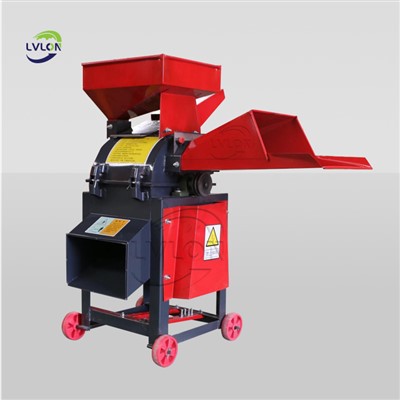
At the end of the day, other machines are built to be versatile. That’s why they’re “other”—they’re the ones that fill in the gaps, that do the small, important jobs that the big construction tractors and the office printers don’t touch. And there’s no reason those jobs have to be limited to inside a building. With the right gear and a little common sense, you can get work done outdoors, in the elements, without worrying about your machine falling apart. Trust me, I’ve seen it work hundreds of times, and I’m here to help you make it work for you too.
Threshing Machine References
- Occupational Safety and Health Administration (OSHA). (2022). Portable Equipment Outdoor Use Guidelines. U.S. Department of Labor.
- International Electrotechnical Commission (IEC). (2021). Ingress Protection (IP) Code Standard for Electrical Equipment.
- Machinery Maintenance Magazine. (2023). Best Practices for Outdoor Industrial Equipment Upkeep.
- National Agri-Marketing Association. (2022). Small Farm Machinery Adaptations for Outdoor Seasonal Use.
Henan Lvlon Industrial Co., Ltd.
Address: Unit 5, 5th Floor, Building 11, No. 18 Dongfeng Road, Jinshui District, Zhengzhou City, Henan Province.
E-mail: lvlonxu@gmail.com
WebSite: https://www.lvlonmachinery.com/
