Hey everyone, Sarah here, head of product at a dog bark collar brand you’ve probably seen around (you don’t need a fancy company name to get good gear, right? That’s what we always say). Today I’m talking about something that surprised me when we first launched our collars: how to store them. Most of my customers ask about using them—does it work? How do I adjust the fit? But not enough ask what to do when Fido’s being a good boy for a few weeks and the collar’s just sitting on the shelf, or when you’re taking a road trip and need to pack it. Let’s break this down the way I’d explain it to my neighbor who’s currently arguing with their golden retriever about barking at the mailman. Dog Bark Collar

First off, let’s get one thing straight: storing a bark collar isn’t just shoving it in a junk drawer with your old takeout chopsticks. These aren’t cheap plastic toys—most of ours have rechargeable lithium-ion batteries, little sensors, and even waterproof casings for rainy park days. Mess up the storage, and you might end up with a dead collar that won’t work when you actually need it, or worse, a weirdly sticky, crumb-covered device that Fido won’t go near when his barking habits slip again.
Let’s start with the basics: when are you actually storing these collars? For most folks, it’s either when your dog’s on a break—like if you’re going on a two-week vacation, or your pup’s in a training lull and you want to give their neck a rest (pro tip: even good boys need a break, I always say). It could also be if you’re buying a spare collar for a new rescue, or if you’re packing for a camping trip and want to bring a backup for your current dog. Whatever the case, the first rule is: always disconnect the battery first. Wait, no—let me rephrase that properly, no vague tips. If your collar’s rechargeable (which 90% of the good ones are these days, no more replacing single-use AA batteries every month), take it off the charging dock before you do anything else. Don’t leave it plugged in while storing it—overcharging is the #1 way to kill a lithium-ion battery, and trust me, we’ve tested this. Last year, we had a batch of 20 collars come back with dead batteries that were literally just left on the charger for three months while their owners were at work. Total waste of money, and totally preventable.
Next step: clean it. I know, I know, who wants to clean a dog device that’s already had slobber and mud on it? But think about it—if you leave crusted grass, dog spit, or even rainwater on it while it’s in storage, that stuff can eat away at the sensors or the rubber seals, and suddenly your collar won’t register barking when it needs to. Our go-to trick is super simple: take a damp microfiber cloth (no harsh chemicals, no bleach—those will mess up the waterproof coating) and wipe the entire thing down, including the little prongs that sit against your dog’s neck. If there’s stubborn mud, a tiny bit of mild dish soap works, but just make sure you dry it fully before storing. Even a drop of water trapped in the charging port is a bad time—we learned that when a customer stored a collar in their basement and it got moldy because they didn’t dry it. Gross, right? Don’t be that customer.
Now, where to store it? Let’s talk about bad spots first, because that’s easier. Don’t put it anywhere it gets super hot or super cold. That means no leaving it on your car dashboard in the summer (temperatures can hit 150 degrees, which is way too hot for lithium batteries) and no shoving it in the back of your garage in January where it’s freezing. We had a customer call us last winter saying their collar wouldn’t turn on, and it was because they left it in their unheated shed for two weeks—batteries hate extreme temps. Also, keep it away from sharp objects. If you toss it in a drawer with your screwdrivers or kitchen knives, the prongs or the plastic casing could get scratched, and scratches can break the waterproof seal. Finally, don’t store it somewhere your dog can get to. I’ve seen too many photos of a collie chewing through a bark collar because they found it on the couch—they think it’s a new toy, and that’s not safe for anyone.
Good storage spots? Let’s keep it simple. A cool, dry closet shelf is perfect. Or a drawer in your bedroom dresser, away from clothes with loose buttons or other small items. If you’re traveling, our customer service team swears by the little mesh bag we send with every collar—stuff it in there, then toss it in your suitcase, and it’s protected from scratches and dust. We also recommend keeping the original charging cable if you’re storing it long-term (anything over a month, say) — you don’t want to lose it and then have to hunt for a random USB cable that actually fits.
Wait, what about long-term storage? Like, if you’re not going to use the collar for three months or more, maybe because your dog’s getting older and their barking is under control, or you’re borrowing it to a friend with a new puppy. For that, there’s one extra rule: charge the battery to about 50% before you put it away. Lithium-ion batteries go bad if they’re completely dead and left unused, or if they’re 100% charged and left unused. 50% is the sweet spot. I remember when I first started at the company, we tested this with a batch of spare collars—some we left fully charged, some at 50%, some dead. The ones at 50% still had 90% of their battery life after six months. The fully charged ones dropped to 30%, and the dead ones wouldn’t turn on at all. Total game-changer. Also, check on it every once in a while—like every two months, top it off to 50% again if it’s been extra hot or cold where you’re storing it.
And a quick side note: if you’re storing a bark collar for a different dog than the one it’s for, make sure you write down the settings! Our collars let you adjust sensitivity levels, static correction levels, vibration levels—if you’re switching it between a 10-pound chihuahua and a 70-pound lab, you’ll want to make sure you don’t accidentally set it to level 10 for the chihuahua. Jot the settings on a little note and stick it in the mesh bag, trust me, that saves so much time when you’re ready to use it again.
Look, I get it—when you’re deep in training, the last thing you think about is storing the collar when it’s not in use. But a little bit of effort here means your collar will last way longer, and be there when you need it again. We have customers who’ve had our collars for 4+ years, and half of that is because they stored them properly when they didn’t need them.
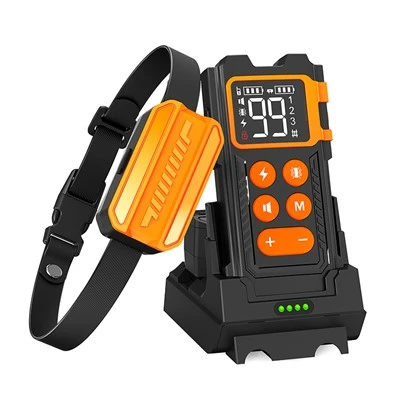
If you’re a pet parent looking for reliable bark collars, or if you’re a breeder, rescue group, or pet store owner looking to stock quality gear, hit us up to chat about wholesale pricing and bulk orders. We’re always here to answer questions, whether it’s about storage, training tips, or figuring out which collar is right for your dogs. No weird sales pitches, just actual people who love dogs and want to help.
Cat Water Fountain References:
- Battery University. (2023). "Lithium-Ion Storage Best Practices." Accessed via industry technical guidelines for consumer electronics.
- American Kennel Club. (2022). "Safe Storage of Pet Electronics and Training Gear." AKC Canine Health & Safety Resource.
- Dog Product Safety Alliance. (2021). "Waterproofing and Durability Guidelines for Canine Training Devices." Industry safety standards report.
Shenzhen TIZE Technology Co., Ltd.
Shenzhen TIZE Technology Co., Ltd. is one of the most professional dog bark collar manufacturers and suppliers in China, also supports high quality customized service. Welcome to wholesale the newest dog bark collar made in China here and get pricelist from our factory. Also, 1 year warranty is available.
Address: Building 2, Guangyu Industrial Zone, Huangtian Community, Hangcheng Street, Bao’an District, Shenzhen, Guangdong Province, China
E-mail: apple@cntize.com
WebSite: https://www.cntize.com/
