If you’ve ever spent time in the heavy haul transportation space, you know a lowboy semi-trailer isn’t just another piece of rolling equipment. It’s the workhorse that moves construction cranes, industrial machinery, agricultural harvesters, and oversized loads that would never fit on a standard flatbed. As someone who’s supplied these heavy-duty trailers for over a decade, I’ve talked to more operators, fleet managers, and small business owners than I can count—and one question comes up every single quarter: What kind of insurance coverage do these things actually need? Lowboy Semi-Trailer
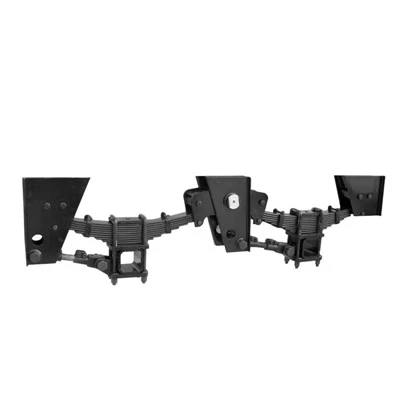
I get it. When you’re running a business, you’re not just investing in a $50,000 to $150,000 trailer (and that’s just the base price, before you add custom ramps, hydraulic lifts, or extendable decks). You’re also investing in years of reliable service, and you need to protect that investment when things go wrong. Too many people skip the fine print here, or assume their standard commercial truck insurance covers everything—spoiler alert: it rarely does. Let’s break down exactly what lowboy semi-trailer insurance covers, what gaps you might be missing, and how to make sure you’re not underprotected (or overpaying) for coverage.
First, let’s start with the basics: a lowboy semi-trailer is a specialized piece of equipment, separate from the tractor that pulls it. That means insurance for the trailer is almost always a separate policy, or a named rider added to your commercial auto insurance, not part of the policy for your truck. That’s a key distinction most new operators miss. A standard commercial auto policy covers the tractor and liability for damage you cause to other people or property when driving, but it doesn’t extend to the trailer itself, especially when that trailer is loaded with oversized cargo.
The core coverage you’ll want for your lowboy falls into a few buckets, and each one ties directly to how you use the trailer. Let’s start with the most obvious: physical damage insurance for the trailer itself. This is the coverage that pays out if your lowboy gets damaged in an accident, stolen, vandalized, or even damaged by something like a hailstorm while it’s parked at a job site or yard. For a lowboy, this isn’t just a “one size fits all” policy. If you have a custom lowboy with a heavy-duty hydraulic system, for example, a standard physical damage policy might exclude damage to that hydraulic equipment if it’s classified as a “wear and tear” item. I’ve seen this trip up more than a few customers: they go with a cheap policy, then their trailer’s hydraulic ramp breaks mid-load, and the insurance says it’s not covered because it’s part of regular operation. That’s why when I advise customers on purchasing a lowboy from us, I always tell them to make sure their physical damage coverage explicitly includes specialized components like ramps, winches, extendable decks, and other custom add-ons. Without that, you could be on the hook for $10,000 or more in repairs.
Next up is liability coverage, which is split into two parts: primary liability and cargo liability. Primary liability covers damage you cause to other people or property when your lowboy is in use. For example, if you’re hauling a bulldozer and it falls off the trailer, crashing into a parked car, primary liability would pay for the damage to the car. But here’s the catch with lowboys: because they’re used for oversized, heavy loads, the limits for primary liability are often higher than standard trucking. Most states require a minimum of $750,000 in primary liability for heavy haul loads, and many trucking companies opt for $1 million or $2 million in limits to stay compliant with cross-state regulations.
Then there’s cargo liability, which is equally important. This coverage pays for damage to the load you’re hauling on your lowboy. If you’re moving a $200,000 generator and it slips off your trailer during transport, or gets damaged in a crash, cargo liability covers the cost of replacing or repairing that generator. For lowboy operators, this is where things get really specific. Standard cargo policies often exclude oversized or “high-value” cargo like construction equipment, industrial machinery, or farm harvesters—exactly the kind of loads most lowboy trailers are built for. I had a customer a few years back who bought a used lowboy from me, assumed his cargo policy would cover his $180,000 crane load, and when it was damaged during a cross-state move, the insurance denied the claim. He ended up having to split the repair costs with the cargo owner, which nearly put his small hauling business under. That’s why we always recommend talking to an insurance provider that specializes in heavy haul cargo before you even take delivery of your lowboy.
Beyond these core coverages, there are a few specialized policies you might need, depending on how you use your trailer. If you lease your lowboy to another company, for example, you’ll want gap insurance. Gap insurance covers the difference between what your lowboy is worth (its depreciated value) and what you still owe on the trailer if it’s totaled in an accident. Since lowboys can depreciate steeply in the first few years, gap insurance can save you from being stuck paying off a loan for a trailer you no longer have. If you store your lowboy for long periods between jobs, or rent it out to other operators, you’ll also want non-trucking or trailer storage coverage. This covers damage that happens to the trailer when it’s not in active use—like if a tree falls on it while it’s parked at your yard, or if it’s stolen from a storage lot.
Another big one for lowboy owners is inland marine insurance. A lot of people confuse inland marine with cargo insurance, but they’re different: inland marine covers the trailer itself and its cargo when they’re in transit, especially for specialized equipment that’s valuable and mobile. For lowboys, inland marine is often bundled with physical damage and liability to create a full “heavy haul trailer” policy. The reason this is so important is that it covers things like damage to the trailer’s undercarriage from uneven job site roads, or damage to cargo that’s too large to be covered by standard cargo policies. I can’t stress enough how many small haulers skip inland marine, only to find out their policy won’t cover a $50,000 repair to their lowboy after driving over a rutted construction site.
Now, let’s talk about what’s usually not covered, because that’s where most of the mistakes happen. Most standard lowboy insurance policies exclude wear and tear, so if your trailer’s brakes wear out over time (not because of a single accident), that’s not covered. They also usually exclude damage from improper loading—so if you overload your lowboy beyond its rated capacity, and the frame bends or breaks, the insurance will deny that claim. That’s why it’s critical to never exceed your trailer’s weight rating, and to keep detailed loading records. Another common exclusion: off-road use. If you use your lowboy to tow equipment through a private job site that’s not part of a public road, most primary liability policies won’t cover damage that happens there. That’s a big one for construction companies that use their lowboys on private sites all the time—you’ll need an endorsement to cover off-road operations if that’s part of your business.
As a lowboy semi-trailer supplier, I’ve worked with hundreds of operators to navigate these insurance requirements, and I can tell you the biggest mistake people make is waiting to get insurance until after they’ve bought their trailer. Here’s the thing: different insurance providers specialize in different types of trailers. Some know standard dry van trailers inside and out, but have no clue about the unique risks of a lowboy hauling 80,000 pounds of construction equipment. When you shop for insurance, look for providers that work specifically with heavy haul or specialty trailer operators. They’ll understand the nuances of your lowboy’s design, the risks of the loads you haul, and the regulations you have to follow. They’ll also be more likely to tailor a policy that fits your needs, rather than pushing a one-size-fits-all plan that leaves you exposed.
Let’s also talk about cost, because that’s always a factor. The cost of lowboy semi-trailer insurance varies wildly, depending on a few key factors: the value of your trailer, the age and condition of the equipment, your driving and claims history, the types of loads you haul, and how far you travel. A new $120,000 lowboy used only for local hauls within one state will have lower annual premiums than a 10-year-old $80,000 lowboy that hauls oversized loads across the country. On average, most lowboy operators pay between $3,000 and $10,000 a year for full coverage. It might seem like a lot, but it’s a fraction of the cost of replacing a totaled trailer or paying for a damaged high-value load. I always tell new customers that spending $5,000 a year on insurance is way better than losing $100,000 on a single accident that could have been prevented with the right coverage.
If you’re in the market for a lowboy semi-trailer, whether it’s new or used, the last thing you want is to be hit with a surprise when you start shopping for insurance. That’s why we work closely with a network of trusted insurance providers that specialize in specialty trailers, and we can connect you with resources to make sure you get the coverage you need before you finalize a purchase. We’ve seen too many customers buy a great trailer only to realize they can’t get insurance for it, or the insurance they can get doesn’t cover what they need. Our goal isn’t just to sell you a trailer—it’s to make sure you have all the information you need to run your business safely and protect your investment.
At the end of the day, lowboy semi-trailer insurance isn’t just a legal requirement—it’s a safety net for one of your business’s most valuable assets. Whether you’re a small hauling company with one trailer or a large fleet with dozens, taking the time to understand your coverage, fill in the gaps, and work with a provider that knows your industry will save you time, money, and stress down the line. If you’re ready to shop for a lowboy semi-trailer or learn more about how to get the right insurance coverage for your operations, we’re here to help. Reach out to our team to discuss your needs, and we’ll connect you with the resources and support to get you on the road with confidence.
Dump Semi-Trailer References
American Trucking Associations. (2022). Heavy Haul Transportation Insurance Guidelines.
National Private Truck Council. (2023). Specialty Trailer Insurance Requirements and Best Practices.
Federal Motor Carrier Safety Administration. (2021). Oversized Load Liability and Insurance Regulations.
Heavy Equipment Transport Association. (2022). Risk Mitigation for Lowboy Trailer Operators.
Jining Dafu Machinery Sales Co., Ltd.
As one of the most professional lowboy semi-trailer suppliers in China, we’re featured by quality products and low price. Please rest assured to wholesale bulk cheap lowboy semi-trailer from our factory. We also accept customized orders.
Address: Room 1-115, Building 7, Luxinan Auto Parts City, Qiantongdian Village, Quanpu Town, Liangshan County, Jining City, Shandong Province
E-mail: jiningdafu@163.com
WebSite: https://www.dafumachinery.com/
