Can safety signs be made of metal? This is a question that often comes up in the safety industry, and as a safety signs supplier, I’m here to provide a comprehensive answer. Safety Signs
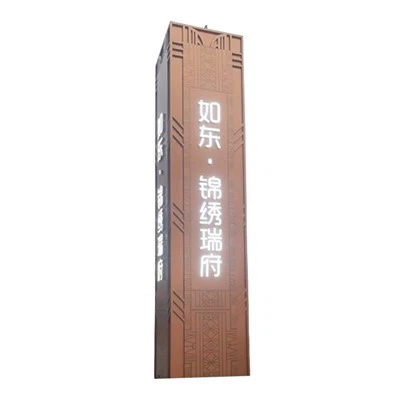
The Advantages of Metal for Safety Signs
Durability
One of the most significant advantages of using metal to make safety signs is its durability. Metal is a robust material that can withstand harsh environmental conditions. Whether it’s extreme heat, cold, or high humidity, metal signs can maintain their integrity for a long time. For example, in industrial settings where there are heavy machinery and constant movement, metal signs are less likely to be damaged compared to signs made of other materials like plastic or wood. They can resist impacts, abrasions, and even chemical exposure in some cases. This long – lasting nature means that businesses don’t have to replace their safety signs frequently, which can save costs in the long run.
Visibility
Metal signs can offer excellent visibility. They can be painted with high – contrast colors and reflective coatings. Reflective metal signs are particularly useful in low – light conditions, such as at night or in dimly lit areas. The reflective surface bounces back light, making the sign more noticeable to people. This is crucial for safety signs as their main purpose is to quickly convey important information. For instance, in a construction site, reflective metal signs can alert workers and passers – by to potential hazards even in the early morning or late evening when visibility is poor.
Aesthetic Appeal
Metal signs also have a certain aesthetic appeal. They can give a more professional and high – quality look to a facility. The smooth finish and solid feel of metal can enhance the overall appearance of a workplace or public area. This is especially important for businesses that want to project a positive image while still ensuring safety. For example, in a modern office building, metal safety signs can blend in well with the contemporary decor, adding a touch of sophistication.
Types of Metal Used for Safety Signs
Aluminum
Aluminum is a popular choice for safety signs. It is lightweight, which makes it easy to install and transport. Despite its light weight, aluminum is also corrosion – resistant, which is important for outdoor signs. It can be anodized to further enhance its durability and resistance to scratches. Anodized aluminum signs have a hard, protective layer that can prevent fading and damage from the elements. Additionally, aluminum can be easily cut and shaped, allowing for a wide variety of sign designs.
Stainless Steel
Stainless steel is another excellent option. It is extremely strong and resistant to corrosion, rust, and staining. Stainless steel signs are suitable for harsh environments, such as chemical plants or marine settings. They can withstand exposure to saltwater, acids, and other corrosive substances. The smooth surface of stainless steel also makes it easy to clean, which is important for maintaining the visibility of the sign. However, stainless steel is generally more expensive than aluminum, so it may be used for more critical or high – traffic areas.
Galvanized Steel
Galvanized steel is steel that has been coated with a layer of zinc to prevent rusting. It is a cost – effective option for safety signs. Galvanized steel signs are strong and can withstand heavy use. They are commonly used in industrial and construction sites. The zinc coating provides a barrier against moisture and oxygen, which helps to extend the life of the sign. However, over time, the zinc coating may wear off in some areas, and the sign may require maintenance to prevent rusting.
Manufacturing Processes for Metal Safety Signs
Cutting
The first step in making metal safety signs is cutting the metal to the desired shape and size. This can be done using various cutting methods, such as laser cutting or plasma cutting. Laser cutting is a precise method that can create intricate designs with clean edges. Plasma cutting, on the other hand, is more suitable for thicker metals and can cut through them quickly.
Printing
Once the metal is cut, the next step is to print the safety information on the sign. There are several printing techniques available. Screen printing is a common method where ink is forced through a mesh screen onto the metal surface. This technique allows for high – quality, long – lasting prints. Digital printing is also becoming more popular as it offers greater flexibility in terms of design and color. It can print detailed images and text directly onto the metal.
Finishing
After printing, the sign may undergo a finishing process. This can include adding a protective coating to enhance the durability and visibility of the sign. For example, a clear coat can be applied to protect the print from fading and scratching. Some signs may also be embossed or debossed to add a three – dimensional effect, which can make the sign more eye – catching.
Limitations of Metal Safety Signs
Cost
One of the main limitations of metal safety signs is the cost. Compared to signs made of other materials like plastic, metal signs can be more expensive. This is due to the cost of the raw materials, the manufacturing processes involved, and the additional treatments such as anodizing or coating. For small businesses or projects with a tight budget, the higher cost of metal signs may be a deterrent.
Weight
Metal signs are generally heavier than signs made of other materials. This can make them more difficult to install, especially in areas where the mounting surface is not strong enough. In some cases, additional support may be required to ensure the sign is securely attached. For example, if a metal sign is to be installed on a wall that is not very thick, extra brackets or anchors may need to be used.
Environmental Impact
The production of metal signs can have a significant environmental impact. Mining and refining metals require a large amount of energy and can cause pollution. Additionally, the disposal of metal signs at the end of their life cycle can also be a challenge. While metal is recyclable, not all metal signs are recycled properly, which can lead to waste.
Conclusion
In conclusion, safety signs can definitely be made of metal, and there are many advantages to using metal for this purpose. The durability, visibility, and aesthetic appeal of metal signs make them a great choice for a wide range of applications. However, it’s important to consider the limitations, such as cost, weight, and environmental impact.

If you’re in the market for high – quality safety signs, whether for an industrial facility, a commercial building, or a public area, we can provide you with a variety of metal safety signs to meet your needs. Our team of experts can help you choose the right type of metal, design, and finish for your specific requirements. We are committed to providing you with the best safety solutions at competitive prices.
Signage If you’re interested in learning more about our metal safety signs or would like to discuss a potential purchase, please don’t hesitate to reach out to us. We look forward to working with you to ensure the safety of your environment.
References
- ASTM International. (2019). Standard Specification for Safety Signs. ASTM D7548 – 19.
- National Fire Protection Association. (2020). NFPA 170: Standard for Fire Safety and Emergency Exit Signs.
- International Organization for Standardization. (2018). ISO 7010: Graphical symbols – Safety signs and signals.
Hangzhou Ouyue Identification Engineering Co., Ltd.
As one of the most professional safety signs manufacturers and suppliers in China, we offer a wide range of products with superior quality. Please rest assured to wholesale customized safety signs at competitive price from our factory. Contact us for quotation.
Address: Fengdu Industrial Park, Pingyao Town, Yuhang District, Hangzhou City, Zhejiang Province
E-mail: 18668005627@163.com
WebSite: https://www.ouyuelogo.com/
