As a supplier of stainless steel nets, I’ve witnessed firsthand the importance of preventing damage to these versatile products. Stainless steel nets are used in a wide range of industries, from construction and manufacturing to agriculture and food processing. Their durability and corrosion resistance make them a popular choice, but they are not immune to damage. In this blog post, I’ll share some practical tips on how to prevent stainless steel nets from damage, ensuring they maintain their quality and performance over time. Stainless Steel Net

Understanding the Causes of Damage
Before we delve into prevention strategies, it’s essential to understand the common causes of damage to stainless steel nets. These include:
Mechanical Damage
- Scratching: Sharp objects or abrasive materials can scratch the surface of the stainless steel net, which can compromise its integrity and appearance.
- Impact: Heavy objects or machinery can cause dents or tears in the net, reducing its strength and functionality.
- Twisting and Bending: Excessive twisting or bending can distort the shape of the net, making it less effective and potentially leading to further damage.
Corrosion
- Chemical Exposure: Exposure to harsh chemicals, such as acids, alkalis, or salts, can cause corrosion on the surface of the stainless steel net.
- Moisture: Prolonged exposure to moisture can lead to the formation of rust, which can weaken the net and reduce its lifespan.
- Environmental Factors: Factors such as humidity, temperature, and air pollution can also contribute to corrosion.
Wear and Tear
- Friction: Continuous rubbing against other surfaces can cause the net to wear down over time, reducing its strength and durability.
- Abrasion: Contact with abrasive materials, such as sand or gravel, can cause the net to wear out more quickly.
- UV Exposure: Prolonged exposure to sunlight can cause the net to become brittle and lose its flexibility.
Prevention Strategies
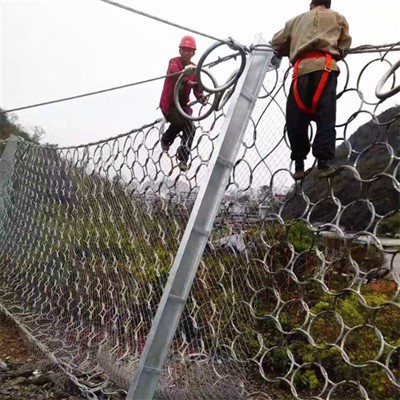
Now that we understand the causes of damage, let’s explore some effective prevention strategies:
Proper Handling and Installation
- Use Protective Gear: When handling stainless steel nets, wear gloves and other protective gear to prevent scratching and damage.
- Avoid Sharp Objects: Keep sharp objects away from the net to prevent punctures and tears.
- Follow Installation Instructions: Ensure that the net is installed correctly according to the manufacturer’s instructions to prevent damage during installation.
- Use Appropriate Tools: Use the right tools for the job to avoid damaging the net. For example, use a soft brush or cloth to clean the net instead of a abrasive sponge or wire brush.
Storage and Transportation
- Store in a Dry Place: Store the stainless steel net in a dry, well-ventilated area to prevent moisture and corrosion.
- Protect from Physical Damage: Cover the net with a protective material, such as a tarp or plastic sheeting, to prevent scratches and dents during storage and transportation.
- Use Proper Packaging: Use appropriate packaging materials, such as boxes or crates, to protect the net during transportation.
- Avoid Overloading: Do not overload the net during transportation to prevent damage.
Regular Maintenance and Inspection
- Clean the Net Regularly: Clean the net regularly to remove dirt, debris, and other contaminants that can cause damage. Use a mild detergent and water to clean the net, and avoid using abrasive cleaners or solvents.
- Inspect the Net for Damage: Regularly inspect the net for signs of damage, such as scratches, dents, or tears. If any damage is found, repair or replace the net as soon as possible.
- Apply a Protective Coating: Apply a protective coating to the net to prevent corrosion and damage. There are several types of protective coatings available, such as paint, powder coating, or galvanizing.
- Monitor the Environment: Monitor the environment where the net is used to ensure that it is not exposed to harsh chemicals, moisture, or other factors that can cause damage.
Select the Right Stainless Steel Grade
- Understand the Application: Different applications require different grades of stainless steel. For example, a net used in a food processing environment may require a higher grade of stainless steel than a net used in a construction application.
- Consider the Environment: The environment where the net will be used can also affect the choice of stainless steel grade. For example, a net used in a coastal area may require a more corrosion-resistant grade of stainless steel than a net used in an inland area.
- Consult with a Professional: If you are unsure which grade of stainless steel is best for your application, consult with a professional or the manufacturer of the net.
Conclusion
Hexagonal Wire Mesh Preventing damage to stainless steel nets is essential to ensure their long-term performance and durability. By understanding the causes of damage and implementing effective prevention strategies, you can extend the lifespan of your stainless steel nets and save money in the long run. As a supplier of stainless steel nets, I’m committed to providing high-quality products and expert advice to help you prevent damage and get the most out of your investment. If you have any questions or need further information, please don’t hesitate to contact me. I’d be happy to discuss your specific needs and provide you with a customized solution.
References
- ASM Handbook Volume 13C: Corrosion: Stainless Steels. ASM International.
- Stainless Steel: A Practical Guide. The Nickel Institute.
- Corrosion Prevention and Control for Stainless Steel. NACE International.
Hebei Xinjuyuan Protective Net Engineering Co., Ltd.
Hebei Xinjuyuan Protective Net Engineering Co., Ltd. is one of the most professional stainless steel net manufacturers and suppliers in China, featured by quality products and good price. Please rest assured to buy cost-efficient stainless steel net for sale here from our factory.
Address: Anping, Hengshui City, Hebei Province
E-mail: hebeixinjuyuan@163.com
WebSite: https://www.xjygabion.com/
